

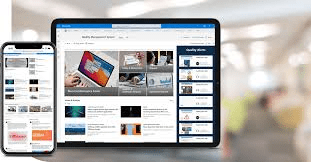
Workplaces thrive when information flows freely, teams connect seamlessly, and employees feel empowered to do their best work. Yet many organizations face the opposite: scattered tools, duplicate content, and frustrated employees struggling to find what they need. This inefficiency costs time, drains productivity, and stifles collaboration.
Microsoft SharePoint has become one of the most reliable solutions for organizations looking to centralize communication, streamline workflows, and create digital hubs for employees. However, without a clear strategy, businesses often fail to maximize its potential. Many intranets turn into cluttered spaces where information is hard to locate, features go unused, and employees disengage.
This is where consulting comes into play. Expert intranet consulting transforms SharePoint from a generic platform into a business-critical tool. By tailoring its features to match organizational goals, user behaviors, and industry requirements, consultants help enterprises turn their intranet into the heartbeat of the digital workplace.
This article explores the importance of consulting, proven strategies for intranet success, practical rollout tips, advanced features, and the long-term growth mindset required for sustainability.
Establishing the Importance of SharePoint Intranet Consulting Services
An intranet is not just a software installation. It’s a living, evolving ecosystem that connects employees to information, processes, and each other. In industries such as energy, technology, and manufacturing, an intranet often determines whether operations run smoothly or break down into silos.
The Risks of Going Without Consulting
Without strategic consulting, companies often experience:
- Fragmented communication: Employees rely on endless email threads or third-party messaging apps.
- Content chaos: Duplicates, outdated files, and unclear ownership reduce trust in the system.
- Low adoption rates: If the intranet is unintuitive, employees simply won’t use it.
- Compliance challenges: Sensitive data may be exposed due to misconfigured permissions.
Why Consulting Matters
Consultants help businesses avoid these pitfalls by:
- Designing intranets around business objectives: Every feature aligns with a measurable goal.
- Improving governance and security: Structured policies ensure content remains accurate and protected.
- Driving cultural adoption: Employees see the intranet as a helpful resource rather than another burden.
In complex business hubs like Houston and other growing metros, sharepoint intranet consulting services bridge the gap between what technology offers and what organizations truly need.
Core Strategies to Improve SharePoint Intranet Adoption
The difference between a static intranet and a thriving one lies in strategy. Here are the proven approaches consultants apply:
1. Business Alignment First, Technology Second
Many organizations start by asking, “What can SharePoint do?” Instead, the question should be, “What do we need SharePoint to do?”
- In a logistics company, this could mean centralizing shipping schedules and compliance paperwork.
- In a healthcare firm, it could mean ensuring quick access to updated safety protocols.
Consultants align the intranet to real-world needs, ensuring measurable outcomes.
2. Building an Intuitive Information Architecture
Imagine walking into a library where the books are randomly shelved. That’s what an intranet feels like without clear structure. Consulting services focus on:
- Simplified navigation menus
- Metadata and tagging standards
- Logical site hierarchies
This ensures employees find what they need in seconds, not minutes.
3. Designing for Employee Engagement
Intranets aren’t just about storing files — they’re about connecting people. Engagement features include:
- Personalized homepages tailored to roles
- Social feeds that highlight company news and updates
- Recognition boards where managers spotlight employee achievements
These features encourage employees to check the intranet daily, building habit and trust.
4. Leveraging Automation to Save Time
Repetitive manual tasks erode productivity. Consultants introduce workflows that:
- Route approvals automatically
- Trigger compliance reminders
- Assign tasks based on templates
Employees spend less time chasing signatures and more time doing meaningful work.
Practical Tips for Implementation
Rolling out a SharePoint intranet isn’t just about features — it’s about change management. Here’s how companies can increase adoption and minimize friction:
1. Pilot with a Focus Group
Launching to everyone at once often overwhelms teams. A pilot within a single department allows organizations to identify pain points, refine features, and demonstrate early wins.
2. Develop Multi-Level Training
Executives, managers, and frontline staff use intranets differently. Customized training ensures each group sees relevance to their daily work. For instance, executives may focus on dashboards, while staff need guidance on document libraries.
3. Simplify and Standardize
The best intranets require minimal clicks. Standardizing layouts across departments helps employees feel familiar no matter where they navigate.
4. Incorporate Mobile and Remote Access
With distributed teams becoming the norm, intranets must function seamlessly on mobile devices. Consulting ensures workflows, forms, and dashboards are mobile-ready from day one.
5. Monitor Engagement Continuously
Analytics reveal whether employees are using the intranet effectively. Metrics like search terms, frequently accessed documents, and most-visited pages guide future updates.
Leveraging Features and Tools
The true strength of SharePoint lies in its ecosystem of features — but without consulting, many go untapped.
1. Smarter Document Management
Consultants configure version control, permissions, and check-in/check-out functions to prevent duplication and errors. This is crucial in industries where compliance and accuracy matter.
2. Collaboration Spaces
Modern intranets encourage knowledge sharing. Team sites, discussion forums, and integrated chat tools break down silos and encourage idea exchange.
3. Seamless Microsoft 365 Integration
From Outlook to Teams to OneDrive, integration transforms SharePoint into a single entry point for communication and collaboration. Employees move effortlessly between tools.
4. Data Visualization with Power BI
Business leaders can monitor KPIs, workforce engagement, and project updates without switching platforms. Dashboards embedded in SharePoint deliver real-time intelligence.
When organizations invest in sharepoint intranet consulting services, they gain the ability to configure these tools in ways that directly support business outcomes.
Long-Term Growth and Consistency
An intranet isn’t a one-time project. It evolves as the company grows.
1. Scalability
Consultants design flexible frameworks so businesses can add departments, locations, or processes without starting from scratch.
2. Feedback-Driven Updates
Quarterly usage reviews and surveys ensure the intranet remains relevant. New needs are identified and addressed proactively.
3. Measuring ROI
Beyond adoption metrics, businesses should track tangible results like:
- Faster onboarding for new hires
- Reduced time spent searching for documents
- Lower compliance risks
4. Common Pitfalls to Avoid
- Over-customization: Too many features overwhelm users.
- Ignoring governance: Without content ownership rules, information becomes outdated.
- Skipping change management: Technology fails if culture doesn’t adapt.
Organizations working with consulting experts such as Centric avoid these pitfalls, creating sustainable intranets that support growth year after year.
Ending Note
A SharePoint intranet is more than a communication platform — it’s a foundation for productivity, engagement, and innovation. But to achieve its full potential, businesses must go beyond default setups and embrace consulting-driven strategies.
The organizations that succeed are those that treat their intranet as a living ecosystem, adapting it to people, processes, and goals. With the right consulting expertise, your intranet doesn’t just connect employees — it empowers them.
What opportunities could your organization unlock if your intranet became the center of collaboration and knowledge?
