

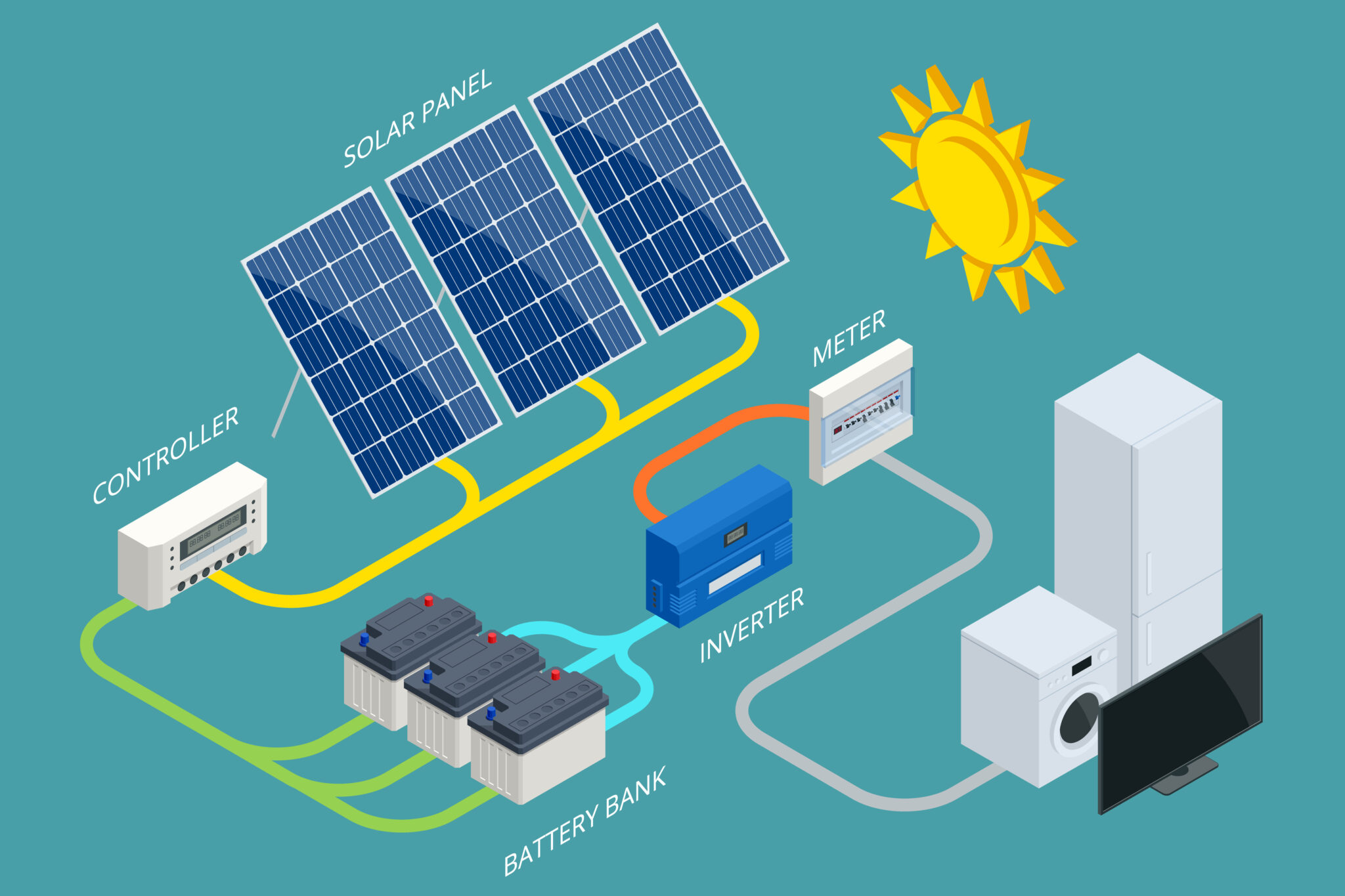
Solar battery storage is one of the most discussed topics among Australian homeowners who have already installed rooftop solar or are considering doing so. A battery system allows households to store the electricity generated by their solar panels during the day and use it in the evening, at night, or during periods of low sunlight. For many homeowners, adding a battery is the next logical step in reducing their reliance on the grid and managing their energy costs.
The Australian energy landscape has shifted dramatically over the past decade, and battery storage has become a more accessible and financially viable option for a growing number of households. Falling battery prices, improving technology, and government incentives across several states and territories have combined to bring solar battery systems within reach of homeowners who previously found the upfront costs prohibitive. Understanding what to expect from a battery system helps homeowners make well-informed decisions.
How solar battery storage works
A solar battery storage system captures excess electricity generated by rooftop solar panels that would otherwise be exported to the grid. During the day, when solar generation exceeds household consumption, this surplus power is directed into the battery rather than being sent to the network. The stored electricity is then available to power the home during evening and night-time hours when the solar panels are no longer generating, reducing the need to draw from the grid.
Most residential solar batteries use lithium-ion technology, which has become the dominant chemistry in the market due to its combination of energy density, cycle life, safety profile, and declining cost. Battery systems are typically rated in kilowatt-hours of usable storage capacity, with most residential systems falling in the range of five to fifteen kilowatt-hours. The appropriate battery size for a given household depends on daily energy consumption, the size of the solar array, and the household’s grid independence goals.
Getting accurate, practical information about how battery storage works is the foundation of any good decision about whether to invest. Understanding the specifics of how a solar power battery operates, how it integrates with your existing solar system, and what to realistically expect in terms of performance and savings helps homeowners evaluate their options clearly and avoid the disappointment that can come from misaligned expectations about battery technology and its financial returns.
Battery management systems, which are the software and hardware components that control how the battery charges and discharges, play a critical role in maximising the value of a storage system. Advanced battery management systems can be programmed to optimise charging based on solar generation forecasts, electricity tariff structures, and household consumption patterns. Some systems also provide remote monitoring and diagnostics through smartphone applications, giving homeowners detailed visibility into their system’s performance.
The financial case for adding a battery to your solar system
The financial returns from a solar battery system depend on a range of factors specific to each household, including local electricity tariff rates, the feed-in tariff paid for exported solar energy, daily energy consumption, and the proportion of solar energy currently being used directly versus exported to the grid. Households with high evening energy consumption and low feed-in tariffs tend to see the strongest financial case for battery storage compared to households with different usage profiles.
Feed-in tariffs, which are the rates paid by energy retailers for solar electricity exported to the grid, have declined significantly in most Australian states over recent years. As these rates have fallen, the relative financial benefit of self-consuming solar electricity rather than exporting it has increased. A battery system maximises self-consumption by capturing generation that would otherwise be exported at low rates and using it to offset purchases from the grid at much higher consumption rates.
Payback periods for residential solar battery systems in Australia currently range from approximately seven to twelve years, depending on the household’s specific circumstances and the cost of the system installed. While this is longer than the payback period typically achieved by a solar-only installation, battery prices continue to decline and the value of grid independence continues to rise as electricity rates increase. Many homeowners also factor non-financial benefits, including energy security and reduced environmental impact, into their assessment.
Solar installers, retailers, and energy consultants who maintain digital marketing channels to attract and educate potential customers can benefit from ensuring that their online presence is performing as effectively as possible. Using quality backlink monitoring software helps solar businesses track which websites are linking to their content, identify opportunities to build authority and reach in organic search results, and ensure that their online presence is strong enough to compete for the attention of homeowners researching battery storage and solar energy options in their area.
Key factors in choosing the right battery system
Battery capacity and chemistry are the two most fundamental specifications to consider when evaluating solar battery options. Capacity determines how much energy the battery can store and discharge in a single cycle, while chemistry influences the battery’s cycle life, operating temperature range, depth of discharge, and long-term performance characteristics. Understanding these specifications and how they align with your household’s energy usage pattern is essential for selecting a system that will genuinely meet your needs.
Warranty terms are an important indicator of the manufacturer’s confidence in the long-term performance of their product and provide the homeowner with a measure of financial protection. Most quality residential batteries are warranted for a specified number of cycles or a defined period, whichever comes first, with guarantees about the minimum retained capacity at the end of the warranty period. Comparing warranty terms across products helps identify the most reliable and well-supported options available in the market.
Compatibility with your existing solar inverter is a practical constraint that can influence which battery options are available for a given installation. Some batteries are designed to work exclusively with specific inverter brands or models, while others are more broadly compatible. A qualified solar installer can assess your existing system and advise on which battery products are compatible, whether any upgrades to the existing system are needed, and what the most cost-effective overall solution will be.
What to expect from installation and ongoing performance
Professional installation by a Clean Energy Council accredited installer is required for solar battery systems in Australia. The installation process typically takes one to two days and involves mounting the battery hardware, integrating it with the existing solar inverter and electrical system, and commissioning the battery management software. A quality installer will walk the homeowner through the operation of the system and ensure they understand how to monitor performance and get the most from their investment.
Ongoing monitoring of battery performance allows homeowners to verify that the system is operating as expected and to identify any issues early. Most modern battery systems provide detailed performance data through a manufacturer app or web portal, including daily charge and discharge cycles, energy flows, and an estimate of the savings generated. Reviewing this data periodically helps homeowners understand their system’s contribution to their energy costs over time.
Battery degradation is a normal characteristic of all lithium-ion battery technologies and should be factored into long-term financial projections. Over time and through repeated charge and discharge cycles, the usable capacity of a battery gradually decreases. Understanding the degradation rate specified in the battery’s warranty, and what this means for the system’s performance and financial returns over its expected lifespan, gives homeowners a realistic picture of the investment they are making.
Solar battery storage represents a significant and worthwhile investment for many Australian homeowners, offering genuine financial, practical, and environmental benefits when matched to the right household circumstances. As the technology continues to improve and prices continue to fall, the financial case for battery storage will strengthen further. Seeking advice from a qualified local solar professional is the most reliable way to determine whether a battery system is the right choice for your specific home and energy needs.
