

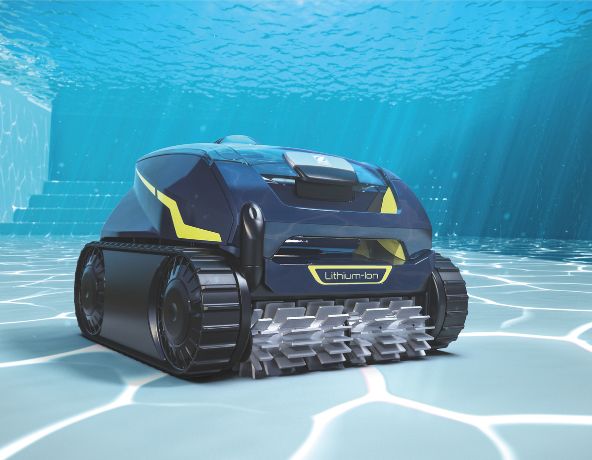
If you’ve ever wrestled with a tangled cord while trying to clean your pool, you already know the frustration. Traditional corded pool cleaners limit your reach, create tripping hazards around the deck, and turn what should be a simple maintenance task into a time-consuming ordeal. The good news is that cordless commercial pool cleaners—once reserved for professional pool service companies—are now designed with homeowners in mind. These powerful machines combine commercial-grade cleaning performance with the freedom and convenience of battery-powered operation. In this guide, we’ll walk you through everything you need to know about selecting the best cordless commercial pool cleaner for your home. Whether your top priority is ease of use, long runtime to handle a larger pool, or simply eliminating the hassle of cord management, you’ll find practical advice to make a confident purchasing decision. Let’s dive into the features, types, and selection steps that matter most.
Why a Cordless Commercial Pool Cleaner is Ideal for Homeowners
Commercial pool cleaners have evolved dramatically over the past decade. What once required a professional technician and industrial equipment is now accessible to everyday homeowners thanks to advances in battery technology and compact design. Cordless commercial pool cleaners bring the same thorough cleaning power used in hotel and resort pools directly to your backyard, without the complexity of hardwired systems or the limitations of extension cords trailing across your pool deck.
The Drawbacks of Traditional Corded Cleaners
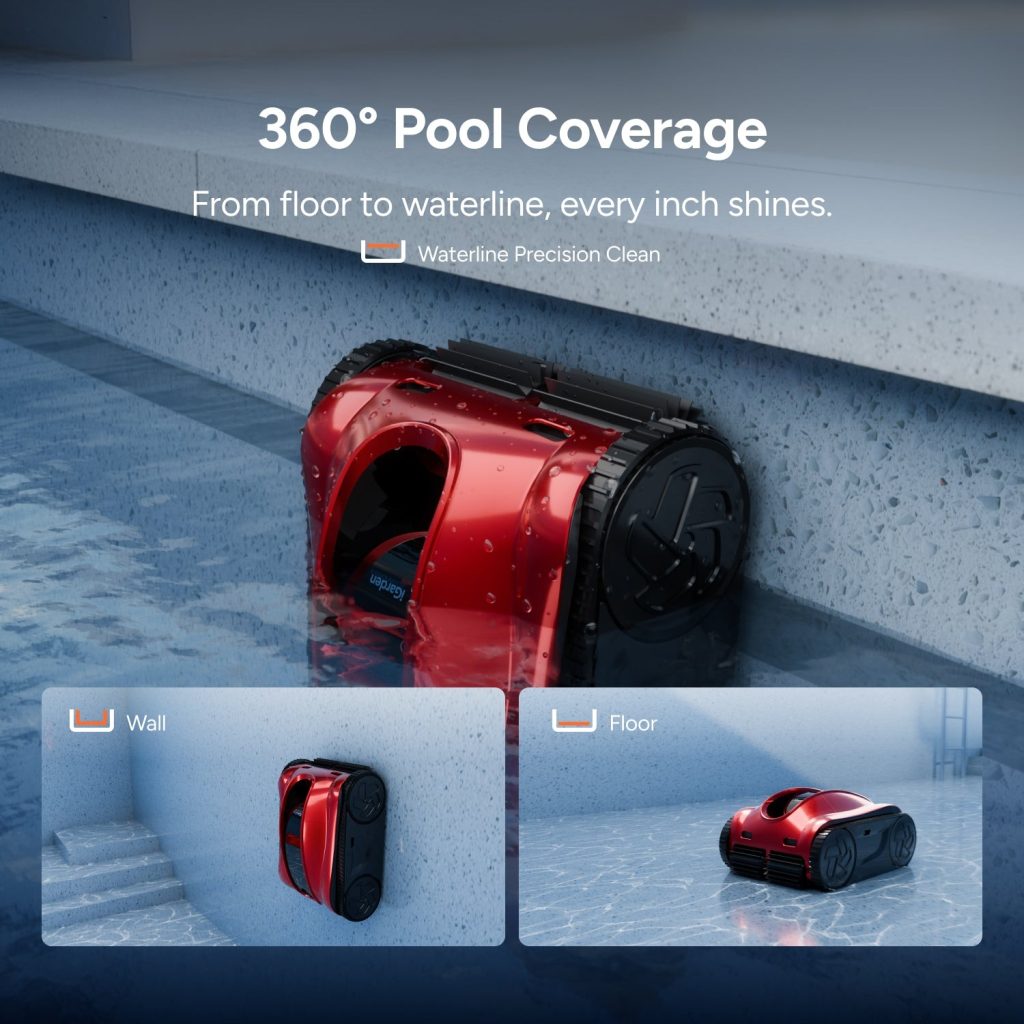
Corded pool cleaners come with inherent frustrations that many homeowners know too well. The cord itself restricts how far the cleaner can travel, often leaving corners and deep ends inadequately cleaned. Setup becomes a chore—untangling, connecting to power sources, and managing slack so the cord doesn’t snag on ladders or handrails. There’s also a genuine safety concern: electrical cords near water create risks, especially in households with children or pets who may be near the pool during cleaning cycles.
Advantages of Going Cordless for Residential Pools
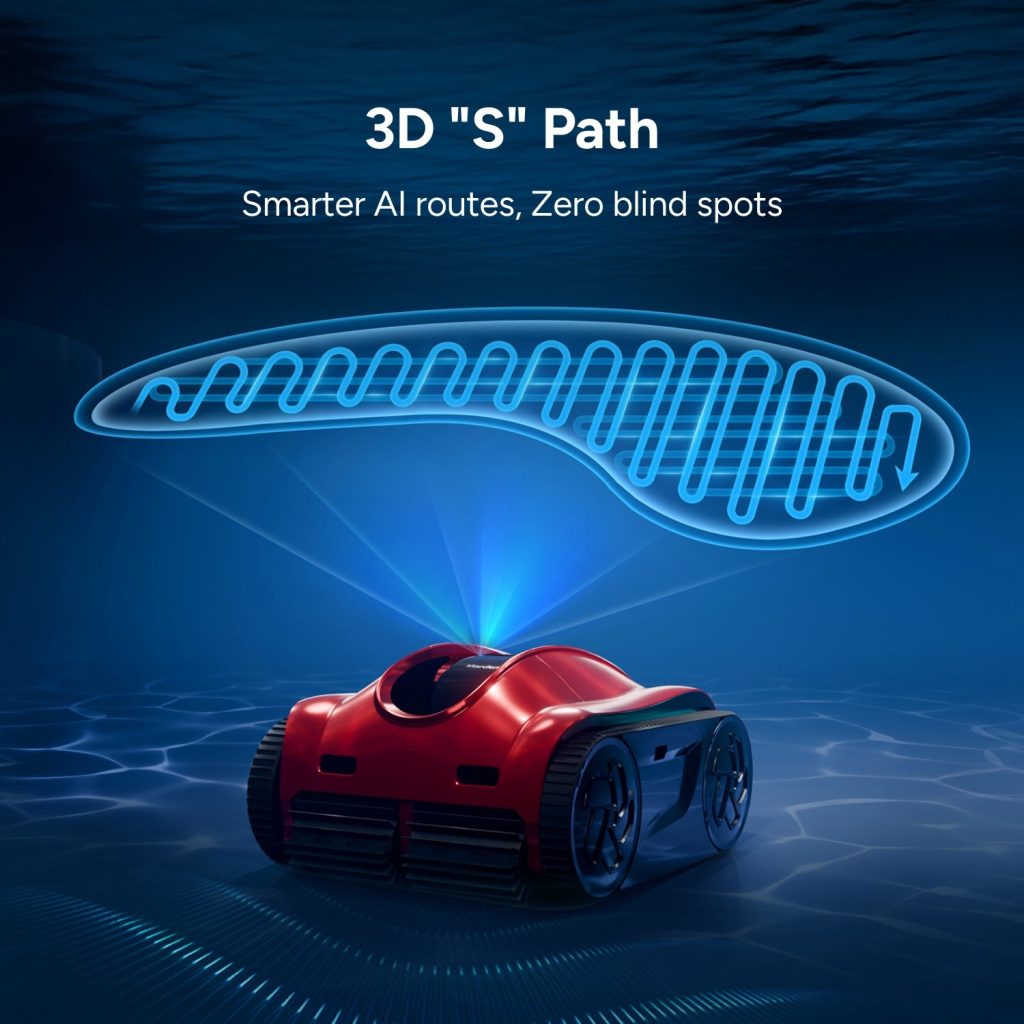
A cordless pool cleaner eliminates these pain points entirely. You gain complete freedom of movement across the entire pool surface, walls, and waterline without worrying about reach limitations. When the cleaning cycle finishes, you simply lift the unit out and store it—no coiling, no drying cords, no dedicated outlet needed poolside. This pool cleaning convenience makes cordless models particularly appealing for owners of large home pools, irregularly shaped designs, or pools with features like steps and benches that corded models struggle to navigate effectively.
Key Features to Evaluate in Your Cordless Pool Cleaner
When shopping for a cordless commercial pool cleaner, the sheer number of specifications can feel overwhelming. Rather than getting lost in marketing language, focus on three core areas that directly impact your daily experience: how long the cleaner runs, how well it actually cleans, and how simple it is to operate. These factors determine whether your investment delivers genuine pool cleaning convenience or becomes another gadget collecting dust in the garage. A robotic pool cleaner with impressive specs on paper means nothing if it can’t finish your pool in a single charge or requires twenty minutes of prep before each use. Before comparing specific models, establish your non-negotiables in each category below, then use them as a checklist when evaluating your shortlist.
Battery Life and Runtime: Ensuring Coverage for Large Pools
Runtime is arguably the most critical specification for any cordless pool cleaner, because a unit that dies mid-cycle leaves portions of your pool untouched. For standard residential pools, look for a minimum of two hours of continuous operation—larger pools or those with complex shapes may demand three hours or more to ensure complete coverage of the floor, walls, and waterline. Battery chemistry matters too: lithium-ion cells maintain consistent suction power throughout the discharge cycle, unlike older battery types that gradually weaken. To maximize long runtime over the life of your cleaner, avoid storing the unit with a fully depleted battery, charge it promptly after use, and keep it out of extreme heat when not in operation. Some models offer quick-charge capabilities that provide a partial top-up in under an hour, which can be useful if you need to finish a particularly dirty pool in two sessions.
Cleaning Performance: Suction, Filtration, and Navigation
A pool cleaner’s effectiveness comes down to three interconnected systems working together. Suction power determines whether the unit picks up fine sand and silt or only handles larger leaves and bugs—look for models that specify both large debris and fine particle capability. The filtration system should feature multi-layer filters or fine-mesh cartridges that trap particles without clogging quickly, since a clogged filter drastically reduces suction mid-cycle. Navigation intelligence separates commercial-grade robotic pool cleaners from basic models. Advanced units use gyroscopic sensors or mapping algorithms to chart efficient cleaning paths, ensuring systematic coverage rather than random bouncing. This means fewer missed spots, less redundant passes over already-clean areas, and faster overall cycle times. Pay attention to whether the cleaner handles wall climbing and waterline scrubbing, as algae and mineral deposits accumulate most heavily at the water’s edge.
Ease of Use: Setup, Controls, and Maintenance Simplicity
The best cordless pool cleaner is one you’ll actually use consistently, which means ease of use should rank high in your decision. Look for models that require minimal assembly out of the box—ideally, you charge the battery, drop the unit in the water, and press a single button to start. Lightweight construction matters more than you might expect; lifting a heavy cleaner in and out of the pool after every session becomes a deterrent over time, particularly for older homeowners or anyone with back concerns. Intuitive controls, whether a simple one-touch start or a smartphone app with scheduling features, reduce the learning curve. Smart home brands like iGarden have helped normalize app-based control for outdoor devices, and many modern pool cleaners now integrate similar connectivity features for remote scheduling and status monitoring. On the maintenance side, tool-free filter access and top-loading debris canisters that rinse clean in seconds keep post-cleaning effort to a minimum. These design choices collectively ensure that your pool cleaning routine stays quick and hassle-free rather than becoming yet another household chore you dread.
Understanding Different Types: Robotic vs. Other Cordless Cleaners
Not all cordless pool cleaners work the same way, and understanding the fundamental differences between types helps you invest in the right technology for your situation. The two main categories you’ll encounter are fully robotic pool cleaners and simpler cordless models that rely on suction or pressure mechanisms. Each approach has distinct strengths, and the best choice depends on how much automation you want, how complex your pool layout is, and how hands-off you prefer your cleaning routine to be.
Robotic Pool Cleaners: Automated Efficiency Explained
A robotic pool cleaner is a self-contained unit with its own motor, filtration system, and onboard intelligence. You drop it in the water, press start, and it handles everything independently—no connection to your pool’s pump or filtration system required. These units use programmed cleaning patterns or adaptive mapping to cover floors, walls, and waterlines systematically. Because they operate on low-voltage battery power and don’t tax your pool pump, they’re energy-efficient over time. Many models include scheduling features, allowing you to set cleaning days in advance so your pool stays pristine without any manual intervention. The trade-off is a higher upfront investment, but for homeowners who value true set-and-forget convenience, robotic models deliver unmatched automation.
Alternative Cordless Models: Suction and Pressure-Based Options
Beyond robotics, you’ll find handheld or semi-automatic cordless cleaners that use battery-powered suction to vacuum debris directly into an onboard canister. These are lighter, more affordable, and work well for spot cleaning or smaller pools that don’t accumulate heavy debris. Some pressure-based cordless models use water jets to dislodge dirt and push it toward a collection bag. While these alternatives lack the intelligent navigation and full automation of robotic units, they serve homeowners who prefer a more hands-on approach or need a secondary cleaner for quick touch-ups between deeper cleaning sessions.
Step-by-Step Guide to Selecting the Best Cordless Commercial Pool Cleaner
Knowing what features matter is one thing—actually narrowing down your options and making a purchase you won’t regret requires a structured approach. The following steps walk you through the decision-making process from start to finish, helping you match your specific pool conditions and personal preferences to the right cordless commercial pool cleaner. Rather than impulse-buying based on flashy advertising, you’ll build a clear picture of what you need and systematically eliminate models that fall short.
Step 1: Assess Your Pool Size, Shape, and Debris Level
Start by measuring your pool’s length, width, and depth to calculate total surface area—this directly determines the runtime and coverage capacity you’ll need. A compact rectangular pool under 30 feet demands far less from a cleaner than an L-shaped 50-foot pool with a deep end, steps, and built-in benches. Next, consider your typical debris load. Do you deal mostly with fine dust and sand blown in from surrounding landscaping, or are you constantly battling leaves, twigs, and insects from overhanging trees? Pools surrounded by heavy vegetation need cleaners with larger debris canisters and robust filtration that won’t clog after ten minutes. Also note your pool’s surface material—textured plaster, fiberglass, vinyl liner, or tile—since some brushing mechanisms work better on certain surfaces than others. Write these details down; they become your baseline requirements for every model you evaluate.
Step 2: Set Your Budget and Prioritize Features
Cordless commercial pool cleaners span a wide range, and it’s easy to either overspend on features you’ll never use or underspend on a unit that frustrates you within weeks. Before browsing, decide your maximum budget, then identify your top three non-negotiable features. For most homeowners, long runtime and reliable navigation rank highest, followed by ease of use. If your pool is relatively simple and small, you might not need advanced wall-climbing or app-based scheduling—saving that money for a model with superior suction and filtration instead. Think of it as allocating your budget toward the features that solve your biggest pain points rather than chasing every possible bell and whistle.
Step 3: Compare Models Based on Runtime and Ease of Use
With your requirements and budget defined, create a shortlist of three to five models that meet your criteria. Compare them side by side on battery life first—confirm that each offers enough runtime to complete your pool’s total surface area in a single charge. Then evaluate ease of use by reading owner reviews rather than relying solely on manufacturer descriptions. Real users will tell you whether the filter is genuinely easy to remove, whether the unit is light enough to lift comfortably when wet, and whether the controls are intuitive or confusing. Pay attention to patterns in feedback: if multiple reviewers mention the same issue, take it seriously. Brand reputation matters here too—established manufacturers with dedicated pool cleaning product lines typically offer better long-term parts availability and firmware updates for robotic pool cleaners.
Step 4: Check Warranties, Reviews, and Support
Before finalizing your purchase, investigate the warranty coverage thoroughly. A strong warranty of two years or more on both the unit and battery signals manufacturer confidence in durability. Read the fine print for exclusions—some warranties void coverage if you don’t follow specific charging protocols. Beyond the warranty, check whether the company offers responsive customer support, accessible replacement parts, and helpful troubleshooting resources. Online communities and forums dedicated to pool maintenance can provide unfiltered opinions about how companies handle issues after the sale. This final verification step protects your investment and ensures that if something goes wrong six months down the line, you’re not left with an expensive paperweight and no recourse.
Maintenance and Long-Term Care for Optimal Performance
Investing in a quality cordless commercial pool cleaner is only half the equation—how you maintain it determines whether you get years of reliable service or face premature breakdowns. A few simple habits after each cleaning session protect your investment and ensure consistent pool cleaning convenience throughout every season. Neglecting basic upkeep leads to declining suction, shorter runtimes, and costly repairs that could have been avoided entirely.
Routine Cleaning and Battery Maintenance Tips
After every use, remove the filter canister and rinse it thoroughly with a garden hose to clear trapped debris before it dries and hardens. Once a month, soak the filter in a mild cleaning solution to dissolve oils and fine particles that rinsing alone won’t remove. For battery care, charge your cleaner promptly after each session rather than letting it sit depleted for days—lithium-ion cells degrade faster when left at zero charge. Store the unit in a cool, shaded area away from direct sunlight, and if you won’t use it for several weeks during off-season, maintain the battery at roughly half charge. Inspect brushes and rollers monthly for wear or tangled hair and fibers that reduce scrubbing effectiveness, replacing them when bristles appear flattened or shortened.
Troubleshooting Common Issues
If you notice reduced runtime, the battery may need recalibration—run it through a complete discharge and full recharge cycle. Weak suction typically points to a clogged filter or a full debris canister rather than a motor problem, so check those first. When your robotic pool cleaner struggles to climb walls or loses traction, inspect the tracks or wheels for worn treads or debris buildup preventing proper grip. Units that fail to start often have a simple fix: ensure the battery is fully seated in its compartment and that charging contacts are clean and free of corrosion. Addressing these minor issues promptly prevents them from escalating into service calls.
Making Your Cordless Pool Cleaner Investment Count
Choosing the best cordless commercial pool cleaner for your home doesn’t have to be complicated when you approach it systematically. The shift from corded to cordless technology has made commercial-grade cleaning accessible to everyday homeowners, delivering powerful suction, intelligent navigation, and genuine pool cleaning convenience without the frustrations of tangled cords or limited reach. By focusing on the features that matter most—long runtime to cover your entire pool in a single charge, effective filtration for your specific debris challenges, and ease of use that keeps you consistent with maintenance—you can confidently narrow your options to a model that fits both your pool and your lifestyle.
Follow the step-by-step selection process outlined in this guide: assess your pool’s unique characteristics, set a realistic budget aligned with your priorities, compare models using real owner feedback, and verify warranty protection before committing. Once you’ve made your choice, simple maintenance habits will keep your cordless pool cleaner performing at its best for years. The result is a pool that stays inviting with minimal effort on your part—transforming pool ownership from a recurring chore into the relaxing experience it was always meant to be.
