

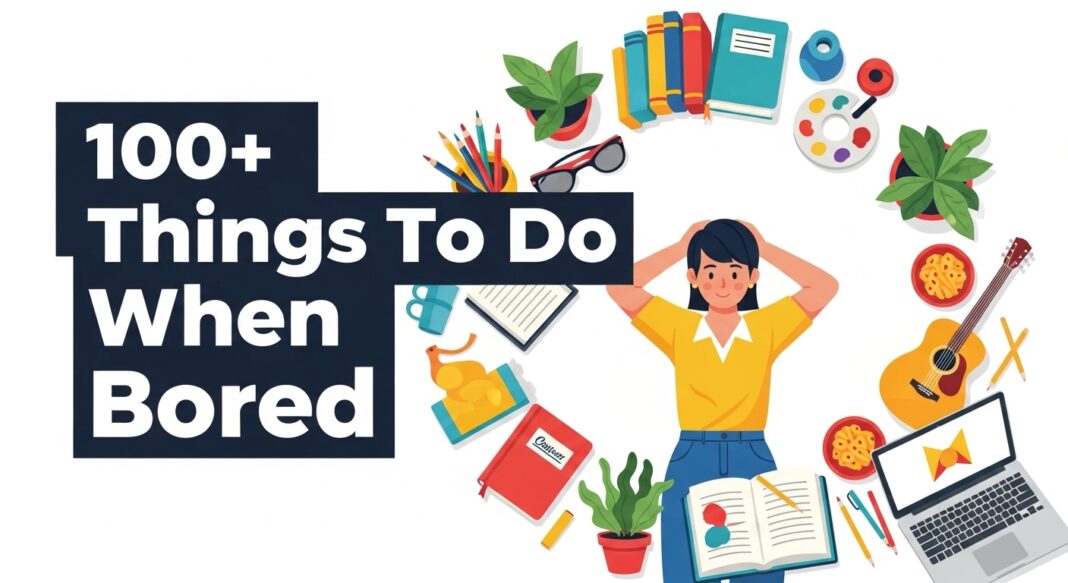
“I’m bored” has to be one of the most repeated phrases in any household with children. Whether it’s a rainy Saturday or the middle of summer break, finding things to do when bored that actually hold a kid’s attention can turn a whiny afternoon into one they remember fondly.
The trick isn’t filling every minute with a planned activity. It’s having a handful of go-to ideas ready so boredom doesn’t spiral into arguments or endless screen requests.
Why Kids Get Bored Faster Than Adults Expect
Children have shorter attention spans than adults, and unstructured time can feel overwhelming rather than freeing for younger kids especially. The American Academy of Pediatrics actually encourages some boredom as a way to build creativity and independent play skills, but too much unstructured time without any options can quickly turn into restlessness.
Understanding this helps set expectations. A little boredom is healthy, but having a few easy activities on hand prevents it from becoming a daily battle.
Simple Indoor Activities That Need Almost No Setup
Not every activity requires a trip to the craft store. These work with things most households already have:
- Building a blanket fort in the living room
- Setting up an indoor scavenger hunt
- Drawing or coloring at the kitchen table
- Playing dress-up with old clothes
- Creating a simple obstacle course using pillows and furniture
Most of these take less than five minutes to set up and can occupy kids for much longer.
Screen-Free Options for Rainy Days
Weather-related boredom hits hardest when outdoor play isn’t an option. Board games, puzzles, and building blocks like LEGO sets remain reliable choices because they encourage problem-solving without needing a screen at all.
Rotating toys that have been packed away for a few months can also make familiar items feel new again.
Creative Projects Kids Actually Enjoy
Creative play does more than fill time. It helps kids process emotions and build fine motor skills, according to child development research summarized by organizations like Zero to Three.
Easy creative activities include:
- Painting with washable paints on paper or an old sheet
- Making homemade playdough
- Building a cardboard box fort or spaceship
- Writing and illustrating a short comic strip
- Creating friendship bracelets with string or beads
These projects work well because kids can start and stop as their attention shifts, without needing constant supervision.
Outdoor Ideas When the Weather Cooperates
Fresh air changes everything. Even twenty minutes outside can reset a restless mood.
| Activity | Age Range | Setup Needed |
| Chalk drawing on the driveway | 3 to 10 | Minimal |
| Backyard scavenger hunt | 4 and up | Low |
| Water balloon games | 5 and up | Moderate |
| Bike or scooter riding | 4 and up | None |
| Bug or nature hunting | 3 and up | None |
Simple outdoor play like this supports physical activity levels that the CDC recommends for children, which is at least sixty minutes of activity daily.
When Kids Say They’re Bored, Give Them a List
Instead of jumping in to solve boredom immediately, some parents keep a written list of approved activities posted somewhere visible, like the fridge. Kids can pick their own option, which builds independence and cuts down on the “I’m bored” cycle repeating every hour.
If you’re looking for a broader list to pull from, browsing ideas for things to do when bored can give you a starting point to adapt for different ages and weather conditions.
Expert Tip: Rotate Activities Instead of Buying New Ones
Child development specialists often suggest a toy rotation system rather than constantly introducing new items. Storing half the toys away and swapping them out every few weeks makes existing toys feel fresh again without adding clutter or cost.
Pros and Cons of Structured vs Unstructured Play
Pros of Unstructured Play
- Builds independence and creativity
- Requires little to no parental involvement
- Teaches kids to entertain themselves
Cons of Unstructured Play
- Younger kids may need more guidance to get started
- Can lead to arguments between siblings without ground rules
- Some children need more structure to stay engaged
Mixing both approaches usually works better than relying on just one.
Frequently Asked Questions
What can kids do when they’re bored without a screen?
Board games, drawing, building blocket sets, blanket forts, and outdoor scavenger hunts all work well without needing any screen time.
Is it okay to let kids be bored sometimes?
Yes, mild boredom encourages creativity and independent play, and pediatric experts generally consider it a normal and even beneficial part of childhood.
What are good boredom busters for a rainy day?
Indoor forts, puzzles, painting, homemade playdough, and simple obstacle courses using household items all work well when outdoor play isn’t possible.
How much daily activity do kids need?
Health guidelines recommend at least sixty minutes of physical activity per day for children, which can include outdoor play, biking, or active games.
How can I stop my child from saying “I’m bored” so often?
Keeping a visible list of approved activities and rotating toys periodically often reduces how often kids default to that phrase out of habit.
Final Note
A bored kid doesn’t need constant entertainment, just a few reliable options ready to go. With a mix of creative projects, outdoor play, and screen-free activities on hand, those slow afternoons can turn into some of the more memorable parts of the week.
